I met Hongyi during my first semester of my master’s program at TUM. He struck me as a diligent and detail-oriented person who consistently completed course projects and wrote clear, concise notes. Passionate about EEG, Hongyi joined this lab in his second semester. When he later focused on his master’s thesis at LMU, he kindly recommended me for this internship opportunity. I was truly grateful, as I had been interested in EEG research for over a year. I appreciated not only his introduction to my supervisor but also his ongoing support during my studies.
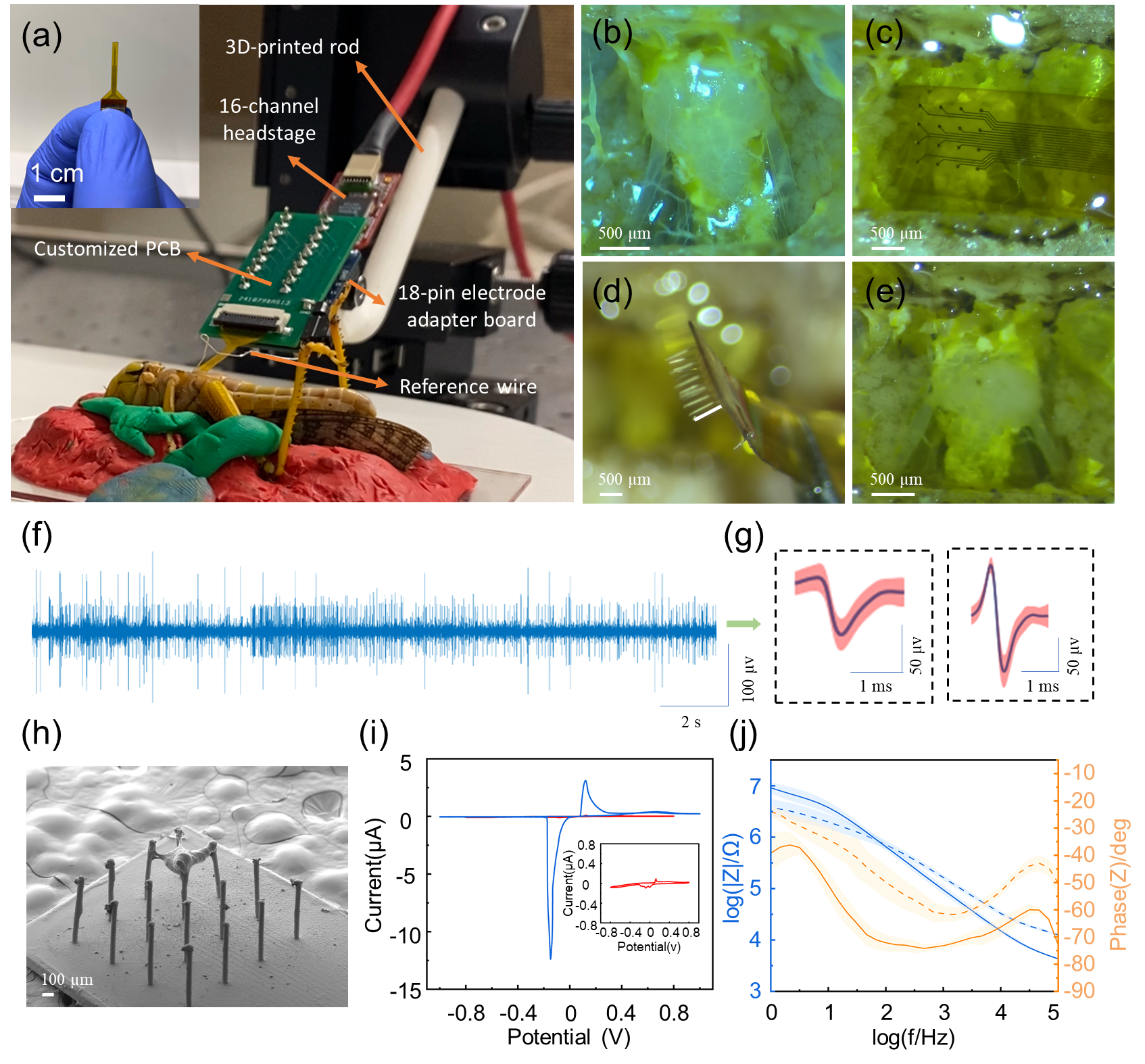
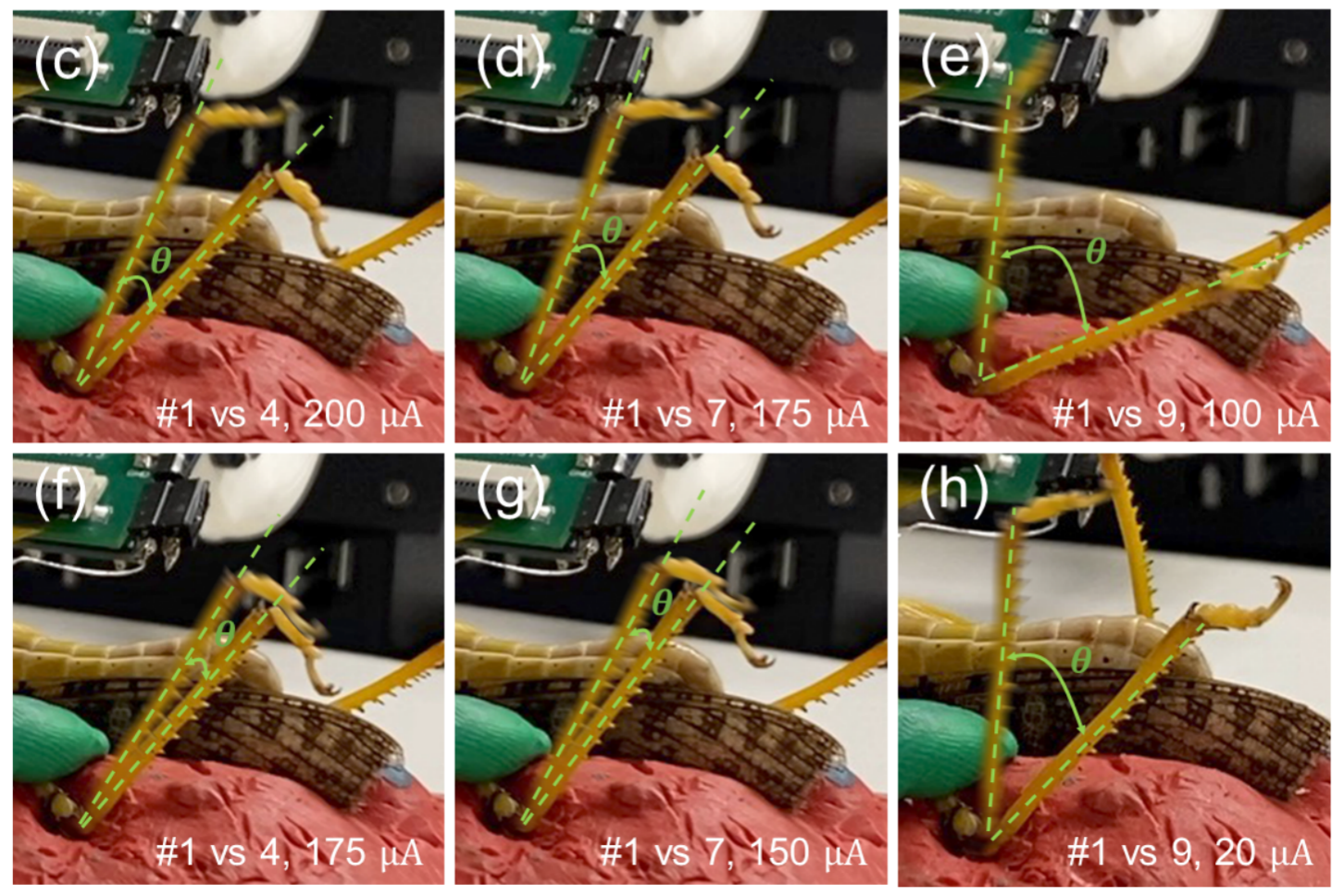
During this internship, I worked on microfabrication and data analysis for flexible microelectrode arrays. My main task was to help verify the functionality of the array by analyzing neural signals collected from small animals. With guidance from my supervisor and advice from professors, I learned to apply techniques like background subtraction and notch filtering to reduce noise in the data. I also deepened my understanding of how to relate neural signals to physical movements.
Looking back, this experience taught me valuable lessons beyond technical skills. I realized the importance of seeking feedback not only from my supervisor but also from other experts, especially when facing challenges in data preprocessing or coding. I learned to communicate more openly about difficulties and to adjust my mindset during stressful times. Instead of getting stuck, I found it helpful to step back, take a break, and return with a fresh perspective. Overall, this internship strengthened both my research abilities and my confidence in tackling complex problems.
Lastly, this work, Printed 3D Microelectrode Arrays for Nervous System Interfacing in Small Animals (tracking number nBME-25-0941), has been submitted to Nature Biomedical Engineering.